When in Turkey [Assessment]

We can’t avoid experiencing ‘culture shock’ when it comes to traveling. I am no exception either. Every time I go on a trip, I’m surprised how different other countries’ cultures are compared to mine, Japanese culture. I’ll focus on the differences in food and eating habits between Turkey and Japan in this post.

There is a difference in what you can/can’t get for free in a restaurant. In Turkey, you have to pay for water, but instead, you can get bread for free. You can take as much as you want. Turkey is known as the country with the largest per capita consumption of bread, which is equivalent to 200kg per person. Turkish bread is all called ‘Ekmek’ in general―the outside is crispy and the inside is soft and chewy―which goes well with Turkish food. Rice is a staple food in Japan but you won’t get it for free.
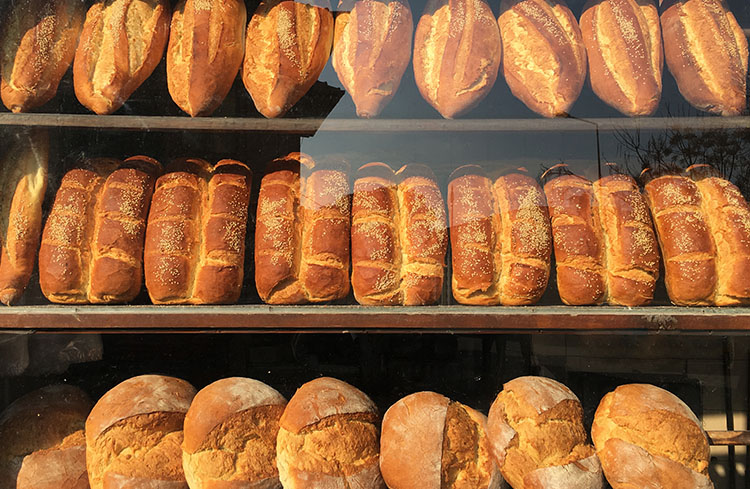
https://hometurkey.com/en/blog/turkish-bread-culture

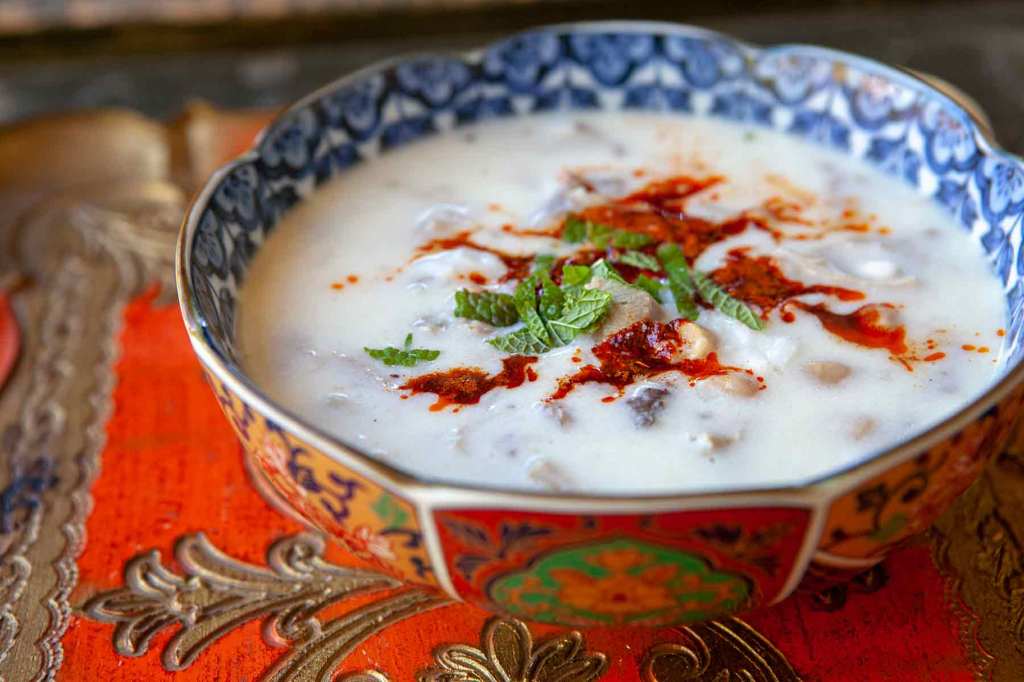
Also, Turkish people love yogurt. They use it for everything; they eat rice, bread, meat, soup…(whatever might be) with yogurt. Yogurt originated in Turkey, and you can see many kinds of yogurt if you go to a supermarket.

This is surprising for us since we’ve never had yogurt with salty things. In Japan, instead, we use soy sauce for everything. We eat rice, meat, fish, eggs or pasta with soy sauce.
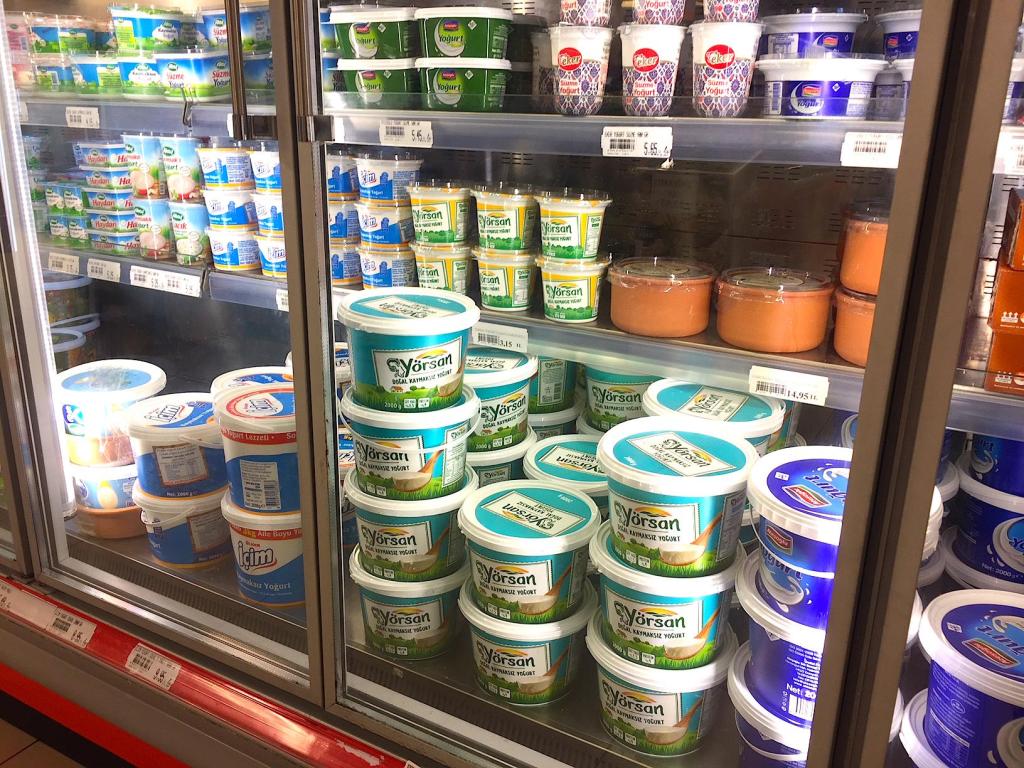
https://www.google.com/url?sa=i&rct=j&q=&esrc=s&source=images&cd=&ved=2ahUKEwiOr877zNnkAhXh73MBHat5CiYQjRx6BAgBEAQ&url=https%3A%2F%2Ftabicoffret.com%2Farticle%2F74505%2Findex.html&psig=AOvVaw1OLYbZI3AUt4yTzglz90VK&ust=1568868693230223
Spicy Turkish Soup with Yogurt, Chickpeas, and Mint
https://www.google.com/url?sa=i&rct=j&q=&esrc=s&source=images&cd=&ved=2ahUKEwjVqbOvzdnkAhXUAnIKHZ3zCoIQjRx6BAgBEAQ&url=https%3A%2F%2Fwww.simplyrecipes.com%2Frecipes%2Fspicy_turkey_soup_with_yogurt_chickpeas_and_mint%2F&psig=AOvVaw0AldHytGpzwnNpMRMJcj_q&ust=1568869707349668

There are a lot more things to write about, but what I want to think about is how this kind of ‘the experience of difference’ might make you feel or react. Sometimes, we feel uncomfortable and reject to adapt to the culture before we try to understand, or if not, you might be in ‘cultural confusion’.

To minimize these ‘cultural shock’ or ‘cultural convention’, it would be useful to look up some social norms or conventions of countries you’re gonna visit in advance. Also, the most important thing is trying to be open-minded and flexible. Just enjoy your experience of difference; even if it’s not acceptable, try not to reject, but be curious. When in Rome, do as the Romans do:)
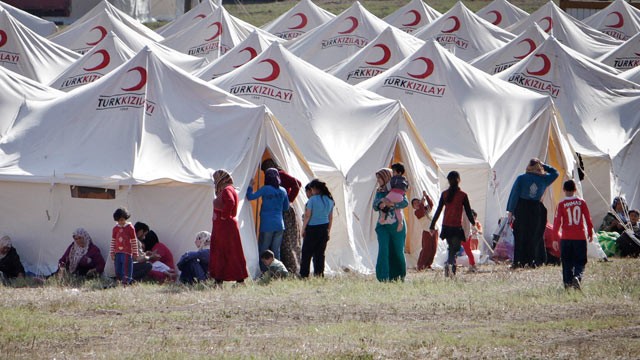
Cooperations for Syrian refugees

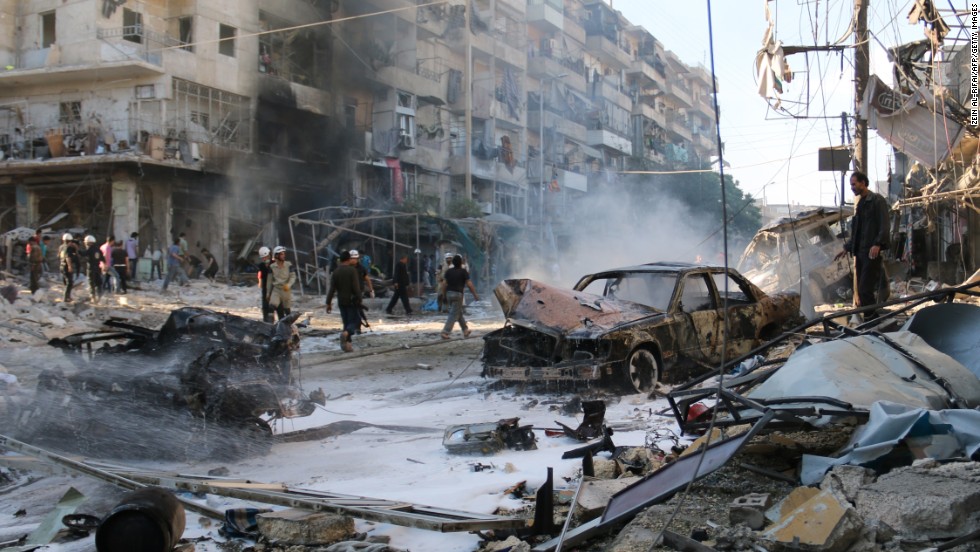
It’s been 9 years since the Syrian crisis. Syria is one of the countries where ISLS has gained a huge power, and the social dislocations are continuing. More than 12.5 million people need humanitarian support at the moment, and many of them have decided to escape their country with taking the risk; the number of Syrian refugees ran into 8.7 million.

https://edition.cnn.com/specials/middleeast/syria

Turkey, Jordan, Lebanon, Iraq, and Egypt are the top 5 countries that have accepted 5.6 million refugees in total. Especially, Turkey has accepted roughly two-thirds of them, which are equivalent to more than 3.6 million.

Most of those refugees in Turkey are suffering from malnutrition, which comes from financial difficulties. Even if they are lucky enough to get a job, their salary is quite unstable. They try to eat cheap carbs, which causes obesity. Obesity further causes lifestyle diseases, and they can’t afford medical costs. There are in a poverty trap. The United Nations has tried to call for contributions, but it hasn’t been going well.

https://www.euractiv.com/section/justice-home-affairs/news/turkey-frowns-at-eu-refugee-aid-plan/

So, what can we do to help this situation? Since this is a complex issue, there would be no single meaningful international engagement. But offering support not only materially but also mentally would be important. Most refugees are mentally pressured because they haven’t get used to new environments.

Even if we’re not psychologists or therapists, we can still help them mentally through volunteering, like accompanying them to the shopping or planning some activities for children. Since my major is politics, it would be helpful to analyze this issue from political aspects, with considering the best measure for refugees. My disciplinary skillsーcooperativeness and critical thinking skillsーcould contributing to improving the situation. I believe these skills will help me to understand the issue from several aspects and give consideration to their feelings.

Essentialized Turkey?

https://youtu.be/r8rZQKXijb8

How did you find this video? The beautiful Aegean sea, the ancient ruins, the palaces, and the mosques… These are all famous sightseeing spots, representing ‘iconic’ Turkey. They are attractive for tourists who want to escape from their daily lives and feel something different.

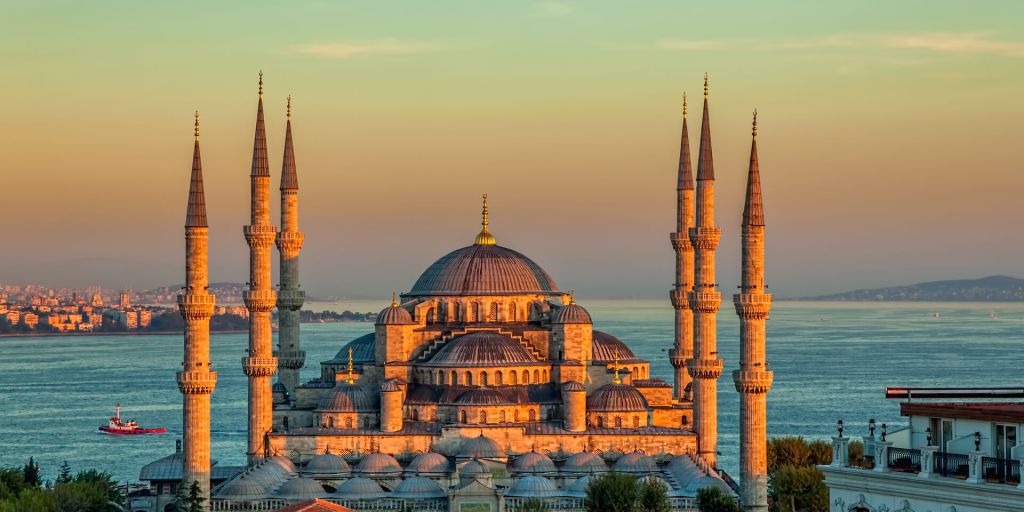
https://www.google.com/url?sa=i&rct=j&q=&esrc=s&source=images&cd=&cad=rja&uact=8&ved=2ahUKEwin0LXa7aTkAhXZ73MBHUMgBAUQjhx6BAgBEAI&url=https%3A%2F%2Fwww.airfrance.fr%2Ftravel-guide%2Fistanbul&psig=AOvVaw0xR6RtI_Oa8Xu2cJ6cCqf5&ust=1567057330003002

You may become more and more want to travel there, but let’s step back; something is missing in the video. Look at this picture above, which is taken in Istanbul. Maybe this kind of scenery is familiar with you, as the city appeared in the video. You may imagine the city is full of exotic and historical places.

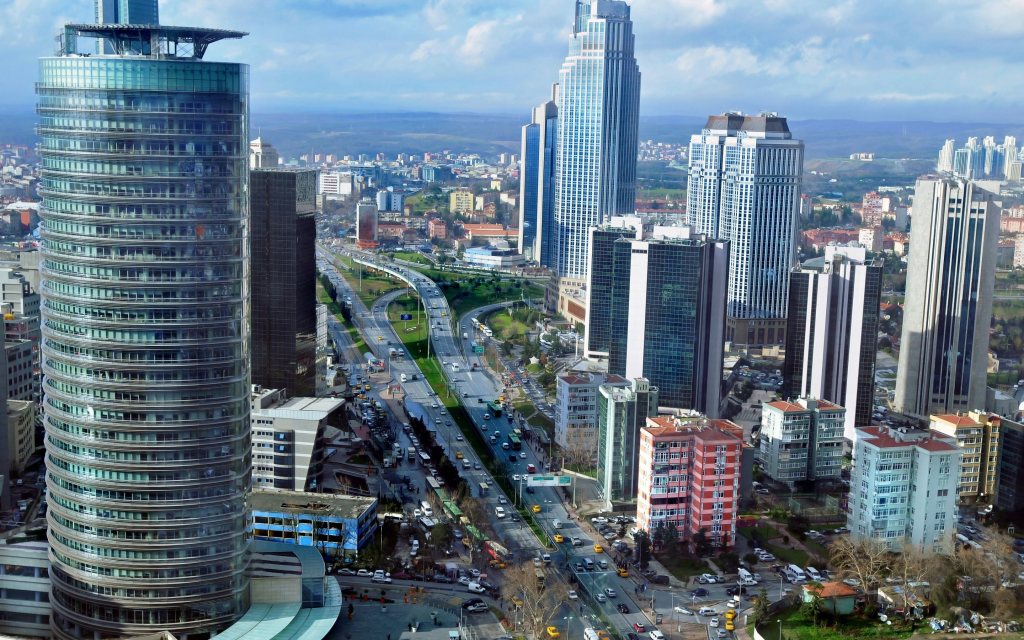
Then, look at this picture taken in the same city. Obviously, there is a difference compared to the first picture. It looks really modern. You may not believe these two pictures are both taken in Istanbul, but this shows we fall into place essentialism.

All cities and places can never be static. Istanbul is not an exception; it has developed through both preserving traditional sites and taking new technologies. But, tourism industries pick up only one side of Turkey and try to make the image of this country static. Most tourists visiting Turkey are from Europe, including Russia, Germany, and Britain, who get used to living in a modern city. What they want is ‘unusual’ experience, and this is why Turkish tourism focuses on offering ‘iconic’ Turkey. 

So, what we have to keep in mind is that trying to see one place from different perspectives. We should learn the place actively, not passively. This makes your travel more fulfilling and I hope this blog helps you.

A hidden story of the Rainbow Steps [Assessment]

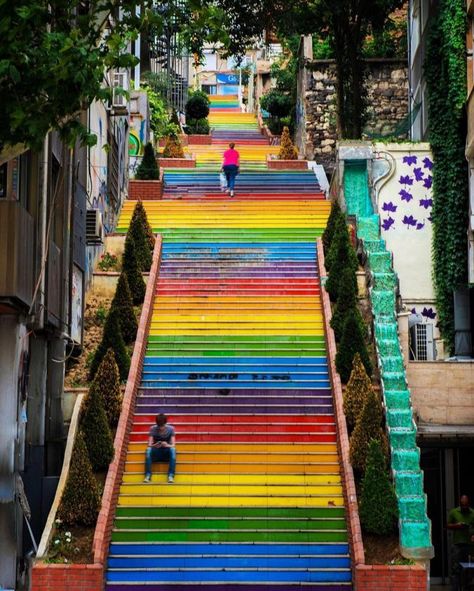
https://pincy.com/pin/369846/

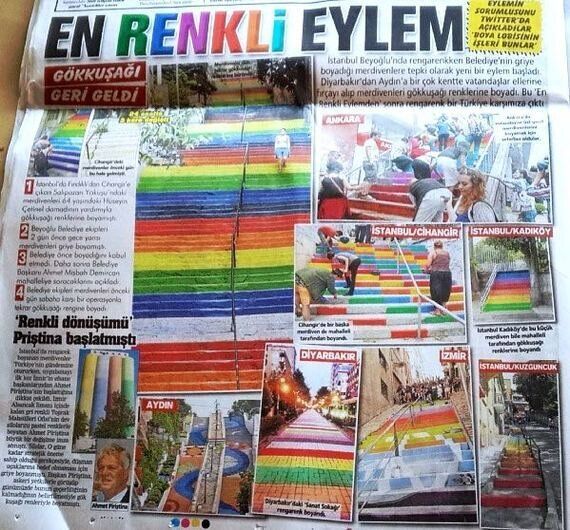
This is called “Rainbow steps”, becoming the new sightseeing spot in Cihangir, Istanbul. The city is known for many slopes, and this steps used to be one of the nondescript steps stunk with garbage until quite recently.

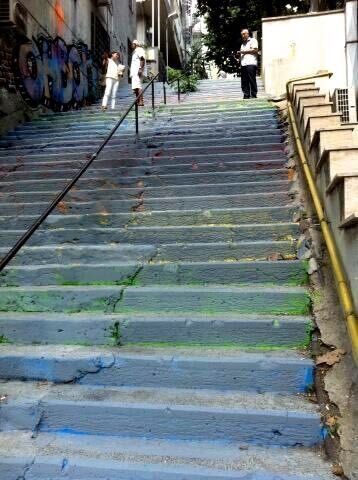
In 2013, the steps were painted by a local aged 66 at that time. It cost almost $800, but he really wanted to make them something special. With the help of his son-in-law, he spent four days to paint the steps with rainbow colour. Immediately, the steps attracted notions from many people. But two days later, it was painted with grey by the government.

https://www.huffingtonpost.co.uk/chloe-gunning/istanbul_b_7440890.html?guccounter=1&guce_referrer=aHR0cHM6Ly93d3cuZ29vZ2xlLmNvbS8&guce_referrer_sig=AQAAAK7omGNo1BG3Frddy4TDIZdGVrg4ir7Q6o8E-5Kgv6M4DGLYmgEr4Z3rdvElnnch5CTAxpQXi32XmWCMC-OAEJawe7st9HzvFQaEjSvr_z6cqkmnBdQfjGHLPmWJJazJG7yGf_8GMC4htsf1JBVLq0XYNIbPB0naCSumu1vMBsoH

This brought sharp criticisms and caused many protest demonstrations across Turkey. The government relented to the pressure, and it ended up being painted with rainbow color again.

The steps have become a symbol representing three things. First, it represents world peace, which comes from the rainbow flag that has been used for antiwar movements since 1960. Secondly, it also represents the resistance against Turkish oppressive government―police can detain people just by painting the steps―as you can see the story above. Recently, it has also become to represent the symbol of LGBT (Lesbian Gay Bisexual Transgender) that use the rainbow flag for its activities.

Everything was started from just an idea of a local man, but now, it has become “unofficial” tourist attraction. This site is known for the instagrammable spot, and the number of people who come here grew as Instagram became popular. What’s more, the number of rainbow steps are growing in Turkey, originally inspired by these steps.

https://www.huffingtonpost.co.uk/chloe-gunning/istanbul_b_7440890.html

Blue Mosque: the symbol of ‘exotic’ Turkey [Assessment]

https://www.carwiz.rent/data/public/2019-07/blue_mosque.jpg

Sultanahmet Camii is located in Istanbul, which is well-received as the most beautiful mosque in the world. The mosque has been the symbol of ‘exotic’ Turkey for tourists.

It consists of a main big dome, 6 minarets, and 30 small dorms; the facade―covered with marbles and tiles―looks imposing and elegant. It is illuminated at night, which creates a mysterious and sacred atmosphere.

This is commonly known as ‘Blue Mosque’. The reason is simple: the interior walls are decorated with Iznik tiles colored blue. What’s more, there are more than 260 stained-glass windows in the dorm; sunlight come through them, turning to blue lights which illuminate the inside.

https://www.reddit.com/r/ArchitecturePorn/comments/9nc8il/inside_the_blue_mosque_istanbul_turkey_1060_x_960/

The mosque was built between 1609-1616 by orders of the then-Osman emperor. The emperor spent a huge amount of money to it, as this project aimed at regaining the lost prestige resulted from the unequal treaty between Osman and Persian Empire.

Since then, even after the abolition of the imperial system, the mosque has been the symbol of the religious power and the shrine for pilgrims in Turkey. In 1985, it is registered as a World Cultural Heritage Site, which made it well-known to the public.

The country is restoring its law and order, but a few terrorisms have happened in the past few years. Especially you’d better avoid going there in the Ramadan period. In 2016, the area around the Blue Mosque was targeted by terrorists because its symbolic significance, which caused more than 25 causalities. 

The symbol is not reproducible itself, but it is reproduced for tourism in forms of commercial products like postcards, magnets, and plates. You can also enjoy shopping around the area!

About me

Hi, I’m Rina from Tokyo, Japan, currently doing an exchange program in Australia. This is the first time for me to live abroad, but I’ve travelled a lot since I was a child including America, Australia, Fiji, Italy, Thailand, Taiwan, and South Korea.

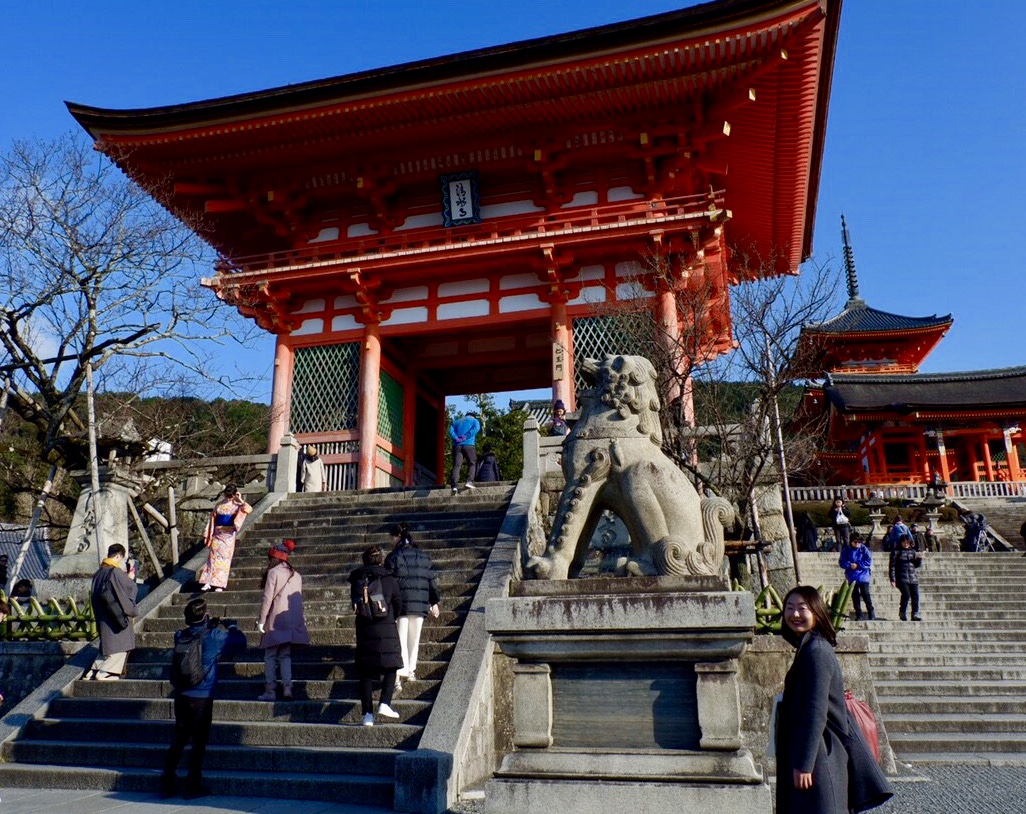
This picture is from my last trip, when I went to Kyoto with my best friend.

“We travel, initially, to lose ourselves; and we travel, next, to find ourselves. We travel to open our hearts and eyes and learn more about the world than our newspapers will accommodate.”

Pico Iyer

As Pico Iyer says, travelling allows me to ‘lose and find ourselves’, which means it broaden my perspectives every time by learning different cultures and meeting new people. This is what draws me to travel as well as what I hope to gain from my travels. 

In this blog, I will focus on Turkey located in Western Asia. The title of this blog, “Marhaba”, means “Hello” in Turkish. It is one of the countries that I’ve wanted to visit since it’s known for beautiful architectures and great foods.

My aim is to introduce Turkish charms including its architectures, foods, customs and history to future travelers who have never been there, especially to you who want to travel by yourselves!

Design a site like this with WordPress.com
Get started